


 Argentina
 Brazil
 BVI
BVI Canada
 Chile
Chile Colombia
 Costa Rica
 Curaçao
 Guatemala
 Honduras
 Mexico
 Nicaragua
 Panama
 Peru
Peru Uruguay
 USA
USA Germany
 Luxembourg
 South Africa
 Spain
Spain Switzerland
 The Netherlands
 United Kingdom
 Hong Kong
 India
India New Zealand
 Singapore
 Turkey
 H&CO
H&CO
How to Open a Business in Luxembourg
 H&CO : Jun 19, 2026, 2:44:32 PM
Establishing a resilient corporate presence within the European market requires a sophisticated understanding of cross-border compliance, EU...
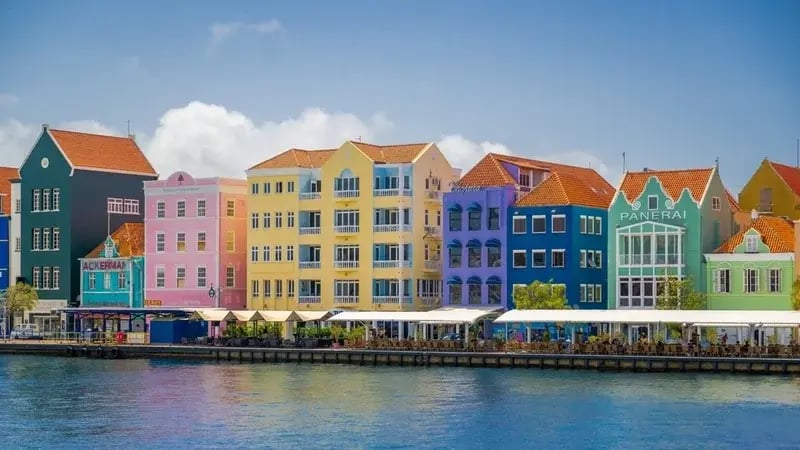
Expanding corporate operations into the Caribbean requires a clear understanding of regional compliance, legal frameworks, and administrative steps. Curaçao is an exceptionally attractive jurisdiction for global businesses, e-commerce, international trade, and e-gaming due to its institutional stability as a constituent country of the Kingdom of the Netherlands and its highly competitive territorial tax system.
At H&CO, we specialize in guiding international investors and cross-border corporate entities through the complete lifecycle of corporate structuring. Setting up a business in Curaçao is a streamlined and efficient process, provided you follow the precise statutory roadmap. Below, we break down the primary corporate structures, general requirements, and the step-by-step registration process to establish a compliant and fully operational entity on the island.

Selecting the correct legal vehicle is the foundational step of your expansion strategy. Under Book 2 of the Curaçao Civil Code, several structures are available, but international businesses predominantly choose between the following entities:
The B.V. is the most popular choice for small-to-medium enterprises (SMEs), e-commerce operators, and closely-held international corporations.
The N.V. is ideal for larger corporate enterprises, institutional projects, or ventures planning to raise external capital or issue public shares.
While not a traditional commercial entity, the SPF is a unique legal structure widely utilized for asset protection, wealth management, holding activities, and estate planning. It operates independently without shareholders, and its assets are managed strictly for the purposes outlined in its foundation deed.
Before initiating the registration process, founders must assemble a comprehensive Know-Your-Customer (KYC) and due diligence package. All documents must be translated into English or Dutch and certified by a notary if issued abroad. The core requirements include:
We have structured the standard setup procedure into seven sequential steps to give you a transparent roadmap of the regulatory environment:
The process begins by submitting at least three proposed corporate names to the Curaçao Chamber of Commerce and Industry (Kamer van Koophandel - KvK). The authorities will review the names to ensure they are unique, do not infringe on existing trademarks, and are not misleading regarding the company's intended commercial activity.
Once the name is reserved, the company’s constitutional documents—the Articles of Association (AoA)—must be drafted in either English or Dutch. The AoA must clearly outline the company's scope of activities, corporate purpose, shareholder structure, and internal governance rules.
Under Curaçao law, a company is officially incorporated only when a local Civil Law Notary executes and signs the notarial deed of incorporation. The founders can execute this remotely by granting a power of attorney (proxy) to our legal team or a local representative, removing the need for a physical trip to the island.
Immediately following the notarial execution, the notary or your legal representative will submit the formalized deed to the Curaçao Chamber of Commerce and Industry. The entity will be entered into the Commercial Register, and you will receive an official Chamber of Commerce extract along with your unique KvK registration number.
With the KvK extract in hand, the company must be registered with the Curaçao Tax Authorities (Inspectorate of Taxes). The government will issue a unique Tax Identification Number known as a CRIB number. This number is mandatory for filing annual corporate profit taxes and monthly Sales Tax (Omzetbelasting - OB) returns.
If your corporate structure involves hiring local or foreign staff physically located on the island, the company must register as an employer with the Social Insurance Bank (Sociale Verzekeringsbank - SVB). This step ensures the company is fully compliant with local labor laws, healthcare contributions, and pension funds.
To legally conduct commercial operations, companies must secure specific administrative permits from the Ministry of Economic Development (MEO):
Note: For specialized sectors like maritime logistics within E-zones, or international e-gaming, additional operational licenses must be requested from the relevant regulatory bodies.
The final step is establishing a corporate bank account to handle transactions and invoice clients. This can be executed with an international banking institution or a reputable local commercial bank in Curaçao. The bank will require the complete corporate file, including the notarized AoA, the KvK extract, UBO documentation, and the CRIB tax number.
Once your company is operational, maintaining active compliance under Curaçao law is straightforward but strictly enforced.
Navigating international corporate registries and securing government licenses can involve significant administrative bureaucracy. Our team at H&CO provides comprehensive, end-to-end support for your expansion into Curaçao. We handle name reservations, coordinate directly with local civil-law notaries, manage Chamber of Commerce submissions, and secure your CRIB tax numbers and business licenses.
Whether you are configuring an international trading vehicle, an e-commerce hub, or a standard holding company, we ensure your business is established efficiently, safely, and in full compliance with local and international corporate standards. Contact us today to initiate your corporate setup in Curaçao.

H&CO : Jun 19, 2026, 2:44:32 PM
Establishing a resilient corporate presence within the European market requires a sophisticated understanding of cross-border compliance, EU...

H&CO : Jun 12, 2026, 5:52:27 PM
Successfully deploying commercial operations within Latin America demands a comprehensive grasp of regional regulatory environments, legal...

H&CO : Jun 10, 2026, 12:50:15 PM
Most Common Types of Legal Structures in Honduras When incorporating a business in Honduras as a foreign investor, choosing the correct legal entity...