Our network of contact offices spans continents, bringing the expertise of H&CO professionals closer to you. Whether you're seeking financial advice, strategic consulting, or tailored solutions, our dedicated teams in various locations are here to serve you with a personalized touch.
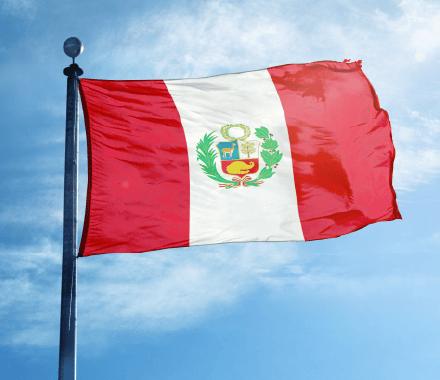
Peru provides an ideal environment for foreign investment. Key advantages include a stable economy, strategic South American location, extensive free trade agreements (FTAs), and rich natural resources. Invest in Peru for high growth potential and global market access.
The process of establishing a company in Nicaragua is more agile due to municipal updates and the "Ventanilla Única de Inversiones" (VUI) platform, which centralizes filings. However, navigating local bureaucracy, managing physical notary protocols, and resolving complex corporate bank compliance still require patience.
Nicaragua has no tax treaty with the U.S. Because it uses a territorial tax system, it only taxes income within its borders, meaning cross-border transactions face standard statutory withholding rates without any relief.
Main industries for Business in Peru
Precious Metals and Gold Mining
A massive economic engine, this sector represents the nation's leading export. Modern industrial mining operations, primarily backed by international capital, consistently drive the country's commodity revenue to historic highs.
Apparel and Textile Maquila
Operating under highly competitive free-trade zone regimes, this massive assembly sector supplies international clothing brands. It serves as a cornerstone of industrial employment and dominates manufacturing exports.
Bovine Livestock and Beef Production
As Central America’s premier cattle exporter, the country boasts a mature, highly competitive red meat industry. Its specialized processing plants supply premium beef cuts to massive markets across North America and Asia.
Coffee and Premium Agro-Exports
Anchored by high-altitude arabica beans and top-tier rolled tobacco, this traditional agricultural pillar leads the country's cash-crop economy, leveraging unique microclimates to supply premium global consumer markets.
To register a business, a local notary must first draft the public deed of incorporation. Once executed, you must register the entity with the Mercantile Registry, obtain your corporate tax ID (RUC) from the DGI, and secure a municipal operating license to legally begin commercial activities.
Nicaraguan entities face a 30% Corporate Income Tax (IR) levied on locally sourced income. Companies must also manage a monthly 15% Value Added Tax (IVA) on sales, a 1% to 3% withholding tax on gross monthly income, and a local municipal revenue tax of 1% depending on the city of operation.
Yes, international investors can legally maintain 100% equity ownership of a company in Nicaragua. The Foreign Investment Promotion Law protects global capital, guarantees equal legal treatment compared to local citizens, and allows complete ownership without mandating local shareholders.
There is no high legal minimum capital required to incorporate a standard Sociedad Anónima (S.A.) in Nicaragua. However, founders must define a nominal share capital in the corporate bylaws, and it is standard practice to pay at least 25% of that established amount during the initial setup.
The full corporate incorporation timeline typically takes between 4 to 6 weeks. This estimated duration includes executing the public deed, commercial registry enrollment, national tax onboarding, and municipal licensing, assuming all foreign documents arrive properly translated and apostilled.
What investment incentives or free zone benefits exist?
Under the Free Export Zones regime, qualified companies in logistics, nearshoring, and manufacturing receive a 100% exemption from corporate income tax for up to 10 years. They also benefit from complete waivers on customs duties and indirect taxes for imported raw materials and production machinery.
Yes, appointing a resident legal representative is a strict statutory requirement in Nicaragua. The designated individual must be a Nicaraguan citizen or a foreign national with a valid permanent residency card, authorized to act as the official point of contact for tax, labor, and legal authorities.
Key Contacts
Why H&CO?
We specialize in guiding global investors, families, and multinational businesses through the complexities of cross-border investments and business expansion. With offices in over 30 countries, we are a trusted partner for those seeking to relocate, invest, or expand their business abroad providing tax, advisory, and integrated global solutions.
1,000+ multilingual professionals, providing local expertise with a global perspective.
Client-focused leadership with deep industry experience in global markets.
Forbes America’s Top 200 CPAs, 2025
Forbes Best in State Top CPAs, 2025
USA Today America’s Most Recommended Tax and Accounting Firms, 2025



 Argentina
 Brazil
 BVI
BVI Canada
 Chile
Chile Colombia
 Costa Rica
 Curaçao
 Guatemala
 Honduras
 Mexico
 Nicaragua
 Panama
 Peru
Peru Uruguay
 USA
USA Germany
 Luxembourg
 South Africa
 Spain
Spain Switzerland
 The Netherlands
 United Kingdom
 Hong Kong
 India
India New Zealand
 Singapore
 Turkey