


 Argentina
 Brazil
 BVI
BVI Canada
 Chile
Chile Colombia
 Costa Rica
 Curaçao
 Guatemala
 Honduras
 Mexico
 Nicaragua
 Panama
 Peru
Peru Uruguay
 USA
USA Germany
 Luxembourg
 South Africa
 Spain
Spain Switzerland
 The Netherlands
 United Kingdom
 Hong Kong
 India
India New Zealand
 Singapore
 Turkey
 H&CO
H&CO
Doing Business in Guatemala
 H&CO : Jun 9, 2026, 12:15:36 PM
As Central America’s economic powerhouse, Guatemala has established itself as a premier nearshore hub for global manufacturing and digital services....
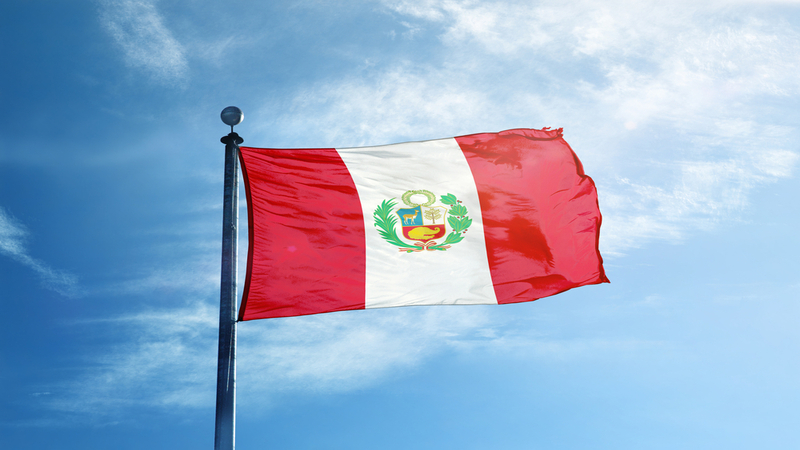
Peru has rapidly emerged as one of Latin America's most dynamic economies, making it a standout choice for foreign investment and doing business in Peru. Strategically located on South America's Pacific coast, the country offers a stable macroeconomic environment, a wealth of diverse natural resources, and an open-market policy backed by a vast network of international trade agreements. Whether you are targeting booming sectors like fintech, agrobusiness, logistics, or mining, understanding the local legal and corporate landscape is the first critical step toward capturing sustainable growth in this thriving regional hub.
Successfully launching your operations in this vibrant market requires navigating unique regulatory and compliance frameworks, which is where having the right local partner makes all the difference. By choosing to expand your business to Peru with H&CO, you gain an experienced ally dedicated to streamlining your corporate set-up, tax compliance, and market entry strategies from day one. Dive into the rest of this article to explore our comprehensive guide on local business regulations, hiring practices, and the key insights you need to scale your operations safely and efficiently.

Peru’s solid institutional framework keeps its economy resilient and moving forward. Here are the 4 key strategic factors that make the Peruvian market an excellent investment opportunity, summarized for quick insights:
Macroeconomic Stability & Currency Strength: Peru stands out in Latin America for its strict fiscal discipline and an autonomous Central Bank. The Peruvian Sol ($PEN$) is recognized as the region's most stable and resilient currency against the US dollar, backed by low inflation (historically controlled around 2-3%) and predictable GDP growth.
The "Chancay Effect" & Global Connectivity: The operations of the mega-port of Chancay have transformed Peru into South America’s primary logistics hub to Asia. This massive infrastructure project drastically reduces maritime freight times across the Pacific, triggering an unprecedented boom in industrial parks and local supply chains.
Equal Legal Framework for Foreigners: By constitutional mandate, foreign investors receive the exact same legal treatment as local ones. There are zero restrictions on remitting profits or capital abroad, and the government offers Legal Stability Conventions to freeze tax and regulatory rules for the duration of major projects.
Diversified High-Yield Sectors: While Peru is a global mining powerhouse—ranking as the world's second-largest copper producer—the market offers deep diversification. It is a world leader in high-value agro-exports (like blueberries, grapes, and avocados) and features a rapidly growing ecosystem for fintech, e-commerce, and advanced logistics.
Note: Peru’s network of over 22 Free Trade Agreements (including the US, China, and the EU) allows businesses to establish local operations and export duty-free to the world's largest consumer markets.
Peru offers some of the most competitive investment opportunities in Latin America, driven by a resilient economy, solid legal protections, and a strategic location on South America's Pacific coast. Backed by a vast network of over 22 international trade agreements and a constitutional guarantee providing foreign investors identical rights to local citizens, the Peruvian market continues to attract robust foreign direct investment ($FDI$). Businesses looking to establish a footprint in the region benefit from a highly stable macroeconomic climate, controlled inflation, and an autonomous central bank that effectively safeguards market predictability.
As the country accelerates its role as a premier maritime gateway to the Asia-Pacific region, its primary economic engines are experiencing historic capital injections. Foreign capital is actively flowing into both traditional asset-heavy sectors and high-value, non-traditional industries optimized for global supply chains. For investors looking for sustainable, scalable growth, Peru’s leading industrial ecosystems offer highly favorable entry points.
Peru is an undisputed global titan in the extractive industry, ranking as the world's second-largest copper producer and a leading supplier of gold, zinc, and silver. Driven by global demand for critical minerals essential to the green energy transition, mining investment in the country continues to reach massive milestones, with billions channeled into exploration and equipment annually.
The logistics sector is undergoing a massive transformation, anchored by high-impact mega-projects like the newly operational Megaport of Chancay and the major expansions at Jorge Chávez International Airport. This infrastructure boom drastically slashes maritime shipping times to Asia and positions Peru as the primary multimodal logistics hub connecting South America to global markets.
Peru has rapidly evolved into a top-tier global agro-exporter, leading the world in high-margin, non-traditional agricultural products such as blueberries, fresh grapes, avocados, and asparagus. Favorable climatic micro-zones, robust irrigation infrastructure, and counter-seasonal harvesting windows allow local producers to supply major northern hemisphere markets during peak demand shortages.
Why do investors choose Peru over other regional markets? The country allows 100% foreign ownership across almost all sectors and permits the unrestricted repatriation of profits and capital, vastly reducing entry and exit friction for multinational groups.

Population: Approximately 34.3 million inhabitants with a highly urbanized population concentrated around the capital city of Lima.
Official Languages: Spanish. Quechua and Aymara are also official where they predominate. English is widely spoken across all international business and corporate sectors.
Currency: Peruvian Sol (PEN), which operates under a highly disciplined managed float system and is recognized as the most stable currency in Latin America.
Political System: It is an independent sovereign republic, operating as a unitary presidential representative democracy with a clear separation of powers. The constitutional framework guarantees strict protection for private enterprise and the total autonomy of the Central Bank, ensuring a stable and predictable business environment.
Economic System: Peru operates an open, market-driven economy heavily focused on mining, high-value agribusiness, international trade, and Pacific-coast logistics hubs. It maintains high standards of compliance with international regulatory bodies and global trade standards.
Entering the Peruvian market represents an exceptionally attractive avenue for global capital, underpinned by an open economic model and a constitutional framework that guarantees absolute legal security for private enterprises. Even though establishing new foreign operations requires navigating formal corporate structuring and compliance procedures—particularly when securing sector-specific permits and tax registrations with SUNAT—the rules of the game remain transparent, predictable, and increasingly optimized through digitized government platforms.
At H&CO, we understand that forging strategic alliances built on mutual trust is a critical catalyst for thriving within Peru's corporate ecosystem. Local executives and institutional investors place immense value on developing long-term, sustainable commercial relationships, a dynamic that is highly facilitated by the country's unique blend of a modern, competitive business culture and the warm, collaborative nature inherent to Peruvian identity.
Securing investments in Peru is backed by a highly protective and transparent legal environment that constitutionally safeguards private property rights and market freedom. Corporate operations are governed primarily by the General Corporations Law (Ley General de Sociedades), which provides a modernized and predictable framework for all commercial activities. Crucially, Article 63 of the Peruvian Constitution mandates absolute equality of treatment between national and international capital, ensuring that foreign entities enjoy identical rights, legal protections, and unrestricted access to corporate mechanisms as domestic enterprises.
Peru's fiscal framework relies on a worldwide income tax model for resident companies, meaning local corporate entities are taxed on their global earnings, while branches of foreign companies are taxed solely on their Peruvian-source income. The nation balances rigorous international anti-avoidance standards—aligned with OECD guidelines—with specific regimes designed to encourage large-scale private capital.
| Tax Aspect | Rate | Scope & Key Details |
| Corporate Income Tax (CIT) | 29.5% | Applied to the net worldwide income of resident companies. Non-domiciled entities are generally taxed at a flat 30% on gross Peruvian-source income. |
| Value Added Tax (IGV) | 18% | Total general rate (comprising 14% general sales tax and 4% municipal promotion tax). Applies to local sales of goods, services, construction contracts, and imports. |
| Dividend Withholding Tax | 5% | Enforced on profit distributions made by a local company to non-resident entities or resident individuals. |
| Royalties Withholding | 30% | Applied to payments made to non-resident entities for the exploitation of intangible assets or intellectual property within Peru. |
| Technical Assistance | 15% | Applied to specialized technical services rendered by non-residents, provided specific documentation and reporting criteria are satisfied. |
| Foreign Loan Interest | 4.99% | A preferential rate applied to interest paid on loans from foreign financial institutions, provided strict regulatory requirements and registration conditions are met (otherwise defaults to 30%). |
| Compliance Deadlines | Varies | Monthly declarations for IGV and advance CIT payments are mandated based on the company's Tax ID (RUC) schedule. Annual CIT returns must be submitted within the first quarter of the following fiscal year. |
The government, coordinated through the private investment promotion agency ProInversión, offers robust mechanisms to de-risk corporate entry:
 |
Significant commercial potential in Peru is heavily concentrated within next-generation logistics hubs, agro-industrial technology, and sustainable mining infrastructure. Even though raw mineral extraction has traditionally been the backbone of the nation's wealth, the economic landscape has evolved dynamically toward tech-driven financial services, non-traditional exports, and mega-scale maritime connectivity. Establishing an enterprise here requires international firms to implement robust corporate frameworks that meet the country’s increasingly stringent regulatory and fiscal transparency rules. As a country actively advancing through its OECD accession process, Peru rigorously enforces global anti-money laundering policies and international tax transparency standards. Official metrics and publications from ProInversión confirm that blending foreign direct investment with the country's historic infrastructure expansion serves as the primary engine for modern industrial and commercial scaling. |
Peru Business Culture
Navigating the Peruvian corporate landscape requires a sophisticated blend of formal etiquette and personal relationship-building. Local business interactions are heavily rooted in mutual trust and hospitality, seamlessly combining modern international practices with a warm, collaborative approach that values genuine human connection.
Corporate structures in Peru remain distinctly top-down and hierarchical. Deference to executive seniority, extensive industry experience, and formal professional titles (such as Ingeniero or Doctor) is deeply embedded in the workplace culture. Final decisions are almost exclusively concentrated at the upper-management level, meaning negotiation processes can be thorough and may require multiple preparatory meetings before reaching senior leadership for sign-off.
While Spanish is the dominant language of country operations, upper-tier executives and professionals in Lima navigate English seamlessly during international transactions. Communication tends to be polite, diplomatic, and indirect to preserve professional harmony, though transparency and long-term reputational integrity are highly prized. For global enterprises, arriving strictly on time for scheduled appointments is universally recognized as a hallmark of professionalism and serious corporate intent.
Lima serves as the administrative, financial, and economic powerhouse of the country. For foreign investors and visiting executives, three primary districts stand out as the ideal hubs for commercial activity:
For high-stakes corporate dinners or confidential discussions, iconic venues such as the Country Club Lima Hotel in San Isidro offer a prestigious, timeless setting steeped in classical elegance. Alternatively, hosting a business lunch at world-renowned culinary landmarks like Astrid & Gastón or Rafael guarantees an extraordinary impression, combining Peru's world-class gastronomy with the privacy required for private negotiations.
H&CO : Jun 9, 2026, 12:15:36 PM
As Central America’s economic powerhouse, Guatemala has established itself as a premier nearshore hub for global manufacturing and digital services....
1 min read
H&CO : Jul 27, 2026, 5:37:09 PM
Turkey stands as an indispensable strategic gateway, physically and economically bridging Europe, Asia, and the Middle East to offer foreign...
H&CO : Jun 3, 2026, 3:50:16 PM
Canada consistently ranks as one of the most stable, secure, and competitive economies for foreign investment globally. As a prominent member of both...