Our network of contact offices spans continents, bringing the expertise of H&CO professionals closer to you. Whether you're seeking financial advice, strategic consulting, or tailored solutions, our dedicated teams in various locations are here to serve you with a personalized touch.
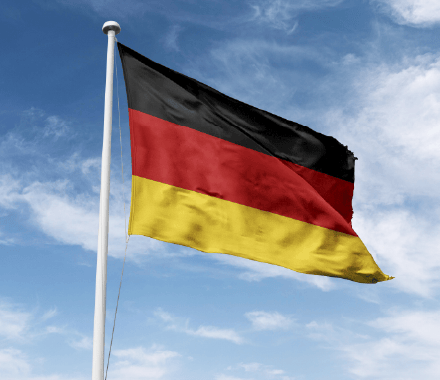
Germany is Europe’s largest economy, offering unmatched political stability, legal certainty, and world-class infrastructure. Its strategic central location and highly skilled workforce drive a powerhouse innovation ecosystem, making it a highly lucrative, low-risk hub for global investors.
While incorporating in Germany involves meticulous administrative steps, it rewards you with unmatched legal security as you choose a structure, deposit the required capital, execute a notary deed, and register with the Commercial Register and local trade offices for a strong foundation.
Germany and the US have a tax treaty to avoid double taxation. It reduces withholding taxes on dividends and interest, features a 183-day rule for temporary workers, and enables information exchange to prevent tax evasion.
The crown jewel of Germany's economy, leading global innovation in electric vehicles and autonomous driving with world-renowned brands like Volkswagen, BMW, and Mercedes-Benz.
Mechanical Engineering
The backbone of the economy, driven by highly specialized small and medium enterprises. It leads the world in industrial machinery, factory automation, and advanced robotics.
Chemical and Pharmaceutical Industry
Europe’s chemical powerhouse, dominated by global giants like BASF and Bayer. It drives vital innovation in advanced materials, biotech, and high-complexity medical products.
Electronics and Technology
Crucial for Industry 4.0, focusing on industrial automation, IoT, and precision medical tech. It powers the digital transformation of Germany's massive manufacturing sector.
Can a foreigner start a business or invest in Germany?
Yes, Germany welcomes foreign investors with no legal distinctions between domestic and foreign entrepreneurs. Anyone can establish a local entity or branch regardless of nationality. However, depending on your country of origin, you may need a specific residence permit or business visa to operate.
What is the most common corporate structure and its capital requirement?
The GmbH (limited liability company) is the preferred choice for foreign companies. It requires a minimum share capital of €25,000, with at least half deposited upon incorporation. Alternatively, the UG is an option for smaller startups, allowing a symbolic minimum capital starting at just €1.
What are the primary corporate tax obligations in Germany?
Corporations face a combined tax rate of around 30%. This includes a flat corporate income tax of 15%, a solidarity surcharge, and a local trade tax that varies by municipality. Additionally, companies must handle Value Added Tax (VAT), which is standard at 19%, alongside regular payroll taxes.
How long does the company incorporation process take in Germany?
The entire setup process typically takes between three to six weeks. Timelines heavily depend on gathering required documentation, scheduling the mandatory notary appointment, opening a local corporate bank account, and completing the formal registration with the German Commercial Register.
Is it mandatory to use a notary to set up a business in Germany?
Yes, German law strictly mandates the involvement of a notary public for corporate setup. The articles of association must be notarized to be valid. The notary will officially verify the identities of shareholders and formally submit the registration documents to the local Commercial Register.
What should foreign investors know about German labor laws and hiring?
Germany offers a highly skilled workforce, but its labor market is strictly regulated and employee-friendly. Investors must comply with statutory minimum wage laws, mandatory employer social security contributions (pension, health, and unemployment), strong dismissal protection, and mandatory paid leave. Clear, written contracts are essential.
Does Germany protect foreign investments from double taxation?
Yes, Germany has an extensive network of Double Taxation Treaties (DTTs) with over 90 countries worldwide, including the United States. These agreements safeguard international investors by ensuring income is not taxed twice, significantly reducing withholding tax rates on cross-border dividends, interest payments, and royalties.
Key Contacts
Why H&CO?
We specialize in guiding global investors, families, and multinational businesses through the complexities of cross-border investments and business expansion. With offices in over 30 countries, we are a trusted partner for those seeking to relocate, invest, or expand their business abroad providing tax, advisory, and integrated global solutions.
1,000+ multilingual professionals, providing local expertise with a global perspective.
Client-focused leadership with deep industry experience in global markets.
Forbes America’s Top 200 CPAs, 2025
Forbes Best in State Top CPAs, 2025
USA Today America’s Most Recommended Tax and Accounting Firms, 2025



 Argentina
 Brazil
 BVI
BVI Canada
 Chile
Chile Colombia
 Costa Rica
 Curaçao
 Guatemala
 Honduras
 Mexico
 Nicaragua
 Panama
 Peru
Peru Uruguay
 USA
USA Germany
 Luxembourg
 South Africa
 Spain
Spain Switzerland
 The Netherlands
 United Kingdom
 Hong Kong
 India
India New Zealand
 Singapore
 Turkey