


 Argentina
 Brazil
 BVI
BVI Canada
 Chile
Chile Colombia
 Costa Rica
 Curaçao
 Guatemala
 Honduras
 Mexico
 Nicaragua
 Panama
 Peru
Peru Uruguay
 USA
USA Germany
 Luxembourg
 South Africa
 Spain
Spain Switzerland
 The Netherlands
 United Kingdom
 Hong Kong
 India
India New Zealand
 Singapore
 Turkey
 H&CO
H&CO
1 min read
Doing Business in Germany
 H&CO : Jun 23, 2026, 1:10:51 PM
As Europe’s economic powerhouse and one of the world’s leading exporters, Germany offers unparalleled opportunities for businesses seeking stability...
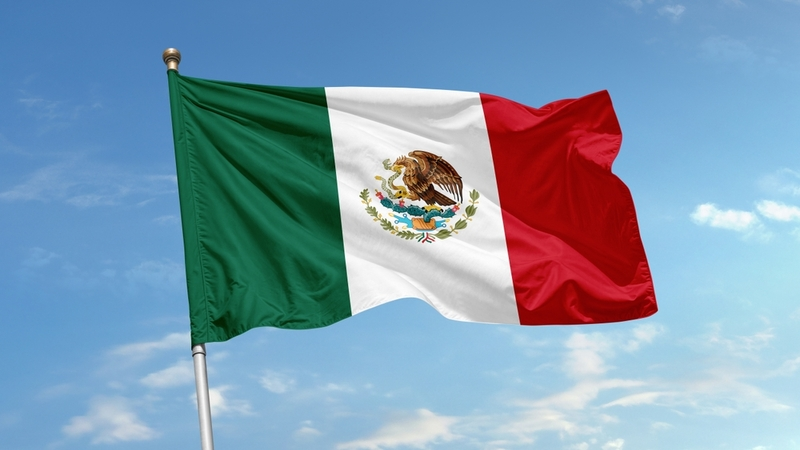
Mexico has established itself as one of the most attractive destinations for foreign investment in Latin America thanks to its strategic location, extensive trade agreement network, competitive operating costs, and close integration with the U.S. economy. As the second-largest economy in Latin America, the country offers significant opportunities for companies seeking to expand operations, establish manufacturing hubs, develop regional supply chains, or access a growing consumer market.
However, operating successfully in Mexico requires understanding the local regulatory environment, tax obligations, labor regulations, and corporate requirements that affect foreign businesses. A well-structured market entry strategy is essential to maximize opportunities and mitigate risks.

Mexico offers unique competitive advantages for multinational companies and international investors. Its proximity to the United States, industrial infrastructure, and participation in international trade agreements make it one of the most important jurisdictions for global expansion.

|
Total Population: 131.74 million Currency: Mexican Peso (MXN) Official Language: Spanish GDP per Capita: US$10,045 (2023) Political System: Federal democratic republic composed of 32 federal entities. Government authority is divided among federal, state, and municipal levels under a presidential system in which the President serves as both Head of State and Head of Government. This structure allows certain regulatory and administrative matters to vary among states, requiring businesses to consider both federal legislation and local regulations when developing operations. Economic System: An open market economy focused on exports and highly integrated with the United States and Canada. Driven by sectors such as manufacturing, automotive, technology, energy, and services, Mexico has become a major hub for international production and trade. Its extensive network of trade agreements and strategic location support foreign investment and global business expansion.
|
Businesses operating in Mexico are subject to a tax system that includes federal taxes, certain state-level taxes, and mandatory labor-related contributions. Proper tax compliance is essential to avoid penalties and maintain regulatory compliance.
Understanding Mexican business culture is essential for building successful commercial relationships and establishing a long-term presence in the market.

|
Communication Style and Business DynamicsPersonal relationships play an important role in business decision-making. Building trust is often a prerequisite for negotiating significant agreements. Although the corporate environment has become increasingly modernized, personal interaction and face-to-face meetings remain highly valued. Standard Business HoursBusiness hours are generally Monday through Friday during standard working hours, although schedules may vary depending on the industry and region. Communication Channels and Language RequirementsSpanish is the primary language used in business, legislation, and public administration in Mexico. While English is widely used by multinational companies and within sectors focused on international trade, most legal documents, government filings, and communications with authorities must be conducted in Spanish. |
Mexico City serves as the country's primary economic and financial center. It hosts multinational corporations, financial institutions, government agencies, and professional service firms. Other important business hubs include Monterrey, known for its industrial and manufacturing strength, and Guadalajara, a major center for innovation and technology. These cities offer a broad range of business hotels, coworking spaces, and convention centers tailored to the needs of international investors and executives.
Mexico has international airports, seaports, and an extensive highway network connecting the country's major industrial and commercial centers. Its strategic location also facilitates trade with North America, Latin America, and global markets. However, some regions may face logistical and infrastructure challenges, making it advisable to carefully evaluate supply chains, transportation times, and operational conditions before making an investment.
Mexico maintains an extensive network of diplomatic relations and international agreements that support trade and foreign investment. Its legal framework recognizes and protects private property, business activities, and foreign investment across most sectors of the economy. Nevertheless, as in any jurisdiction, obtaining specialized legal and tax advice is recommended to ensure compliance and proper risk management.
Mexico's economic openness, broad network of free trade agreements, and integration with North American markets continue to position the country as one of the primary gateways to Latin America. Its large domestic market, diversified industrial base, and strategic role in global supply chains make it an attractive destination for companies seeking to expand operations, establish production facilities, or access international trade opportunities.
Expanding into Mexico requires careful planning in corporate, tax, labor, and regulatory matters. From entity formation to accounting, payroll, tax compliance, and international advisory services, specialized support can significantly simplify market entry.
H&CO's global advisors can help you structure your investment, optimize operations, and maintain compliance while growing your business in Mexico.
Discover how to do business in Mexico. Explore nearshoring opportunities, USMCA benefits, corporate structures, and the tax framework for foreign investors.

1 min read
H&CO : Jun 23, 2026, 1:10:51 PM
As Europe’s economic powerhouse and one of the world’s leading exporters, Germany offers unparalleled opportunities for businesses seeking stability...

H&CO : Jun 5, 2026, 2:51:23 PM
Curaçao stands out in the Caribbean as one of the most stable and strategically located hubs for international business and foreign investment. As a...

H&CO : Jun 10, 2026, 4:25:16 PM
Are you looking to expand your business operations into Central America? As a highly competitive and emerging market in the region, Nicaragua offers...