

3 min read

Construction Accounting Audit in Focus: Two Days of Learning and Connection in Miami

Construction Accounting
Construction Accounting Audit in Focus: Two Days of Learning and Connection in Miami
7:16

An annual construction accounting and tax seminar, followed by an improv workshop, brought audit professionals from across H&CO together for specialized learning and team connection.


Learning together. Laughing together. Growing together as construction companies

That spirit defined a recent two-day gathering in Miami, where H&CO brought colleagues from its Audit Department together from across multiple offices. The program connected two priorities that shape the firm’s approach to client service: developing specialized technical knowledge and building strong relationships among the people who deliver it.


Industry knowledge and financial reporting at the center of the conversation

The gathering opened with H&CO’s annual Construction Accounting & Tax Seminar, led by Robert Davidson, a construction industry expert. The session examined construction accounting—a specialized branch of accounting and subset of project accounting for contractors, builders, developers, and the audit professionals who advise them—covering the financial reporting, audit, and tax issues that shape project performance, cash flow, compliance, and risk.

Construction accounting is specialized because, unlike traditional accounting or regular accounting, it tracks revenue, costs, and profitability at the project level rather than only through routine company-wide transactions. Revenue recognition often follows the percentage of completion method or another completion method as the project progresses, with ASC 606 guiding how performance obligations affect recognized revenue.

For contractors, builders, and developers, and for the construction companies and construction firms they operate, project-level tracking is essential because a construction project can span multiple fiscal periods. Contract terms, project costs, work-in-progress reporting, progress billing, change orders, billing cycles, retainage, cash flow, contractual obligations, and tax obligations all influence financial outcomes and how businesses assess performance and manage risk.

WIP reporting and recognized revenue also help identify overbillings, when more work is billed than performed, and underbillings, when work has been performed but not yet billed. Retainage often equals 5–10% of contract value and can materially affect cash flow on ongoing projects.

Job costing uses cost codes to record expenses at the project level and supports accurate project cost tracking. It also groups construction expenses into major categories such as labor costs, materials costs, and overhead costs, while allocating direct costs and indirect costs appropriately to a specific project.

Comparing actual spending with estimated costs improves budgeting, financial health, profit margins, financial position, and planning for future projects, while helping firms manage tax liability and stay aligned with tax laws and industry standards.

A strong audit and advisory practice must understand these connections, not just the figures on a financial statement, but also the financial statements construction firms rely on—including the income statement, balance sheet, and cash flow statements—to assess financial position. Industry-focused learning helps auditing professionals and construction industry clients detect risk earlier, evaluate construction project performance more accurately, and turn accounting for construction into practical guidance for better decisions, stronger compliance, and healthier cash flow.

Image (1) (1)


Experience with job costing that extends beyond the seminar

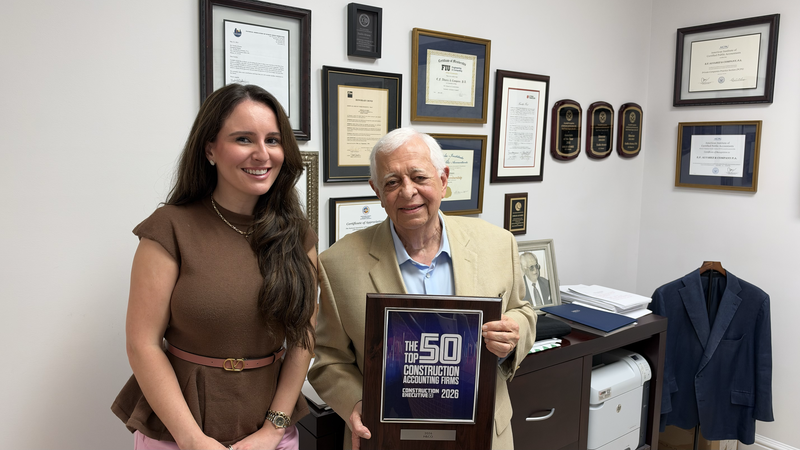
The Miami gathering builds on an established construction accounting firm led by Emilio Alvarez, CPA, Managing Partner, Audit. In 2026, H&CO was named among Construction Executive’s Top 50 Construction Accounting Firms, a national ranking focused on firms serving the U.S. construction industry, and Construction Executive is published by Associated Builders and Contractors.

Emilio also contributed to Construction Executive’s 2026 industry discussion, emphasizing the importance of early risk detection, financial performance indicators, cash flow analysis, and cash flow projections in managing ongoing projects and supporting the construction business. Many construction companies also rely on an accounting team and defined accounting processes to connect project data with financial reporting. These perspectives reflect the practical focus behind the team’s ongoing professional development. Construction accounting experts and construction CPAs provide advisory services that help mitigate risk, support business strategy, and increase profitability for general contractor clients and other construction businesses.


A different setting, a shared purpose

The following day, the setting shifted from technical learning to improvisation. At Villain Theater in Miami, Peter Mir led a workshop that gave team members a chance to listen closely, think on their feet, respond creatively, and enjoy a different kind of shared experience.

The laughter was part of the experience, but so was the learning. Communication, adaptability, and trust matter in professional services, particularly when colleagues must work together across offices, disciplines, and client engagements. The workshop created room to strengthen those connections outside the usual work environment.


The people behind the expertise

The gathering also highlighted the colleagues who contribute to H&CO’s Audit Department, including Emilio Alvarez, Brian Torres, Raydelis Morales, Yosbel Barranco, John Bowman, Celina Camacho, Hector Cuebas, and Julian Jaramillo.

Together, the two days illustrated a simple idea: technical excellence and team culture reinforce one another. Specialized knowledge supports sound professional judgment, including advice on construction payroll, tax planning, and revenue recognition, and some strategies can also defer gross profits on contracts under 10% complete. That work often includes allocating labor costs across multiple jobs while complying with prevailing wage laws, union agreements, and multi-state tax requirements. On government projects, teams may also need to handle certified payroll reporting. Specialized expertise may also cover industry specific deductions, federal and state tax credits, Section 179D, and cost segregation studies to help reduce tax liability, while strong relationships help teams share insights and respond effectively to client needs. For H&CO, investing in both is part of building an audit practice that delivers value beyond compliance.


One Company. One Team. One Construction Accounting Software Platform

Explore H&CO’s Audit & Assurance services and learn how specialized expertise supports construction businesses with accounting software guidance, construction accounting software, project management integration, managing accounts receivable, and job costing reports for financial reporting needs

H&CO Named Among Construction Executive’s Top 50 Construction Accounting Firms for 2026

H&CO Named Among Construction Executive’s Top 50 Construction Accounting Firms for 2026

The magazine’s 2026 national ranking recognizes accounting firms serving the U.S. construction industry and the professionals behind H&CO’s...

Read More
H&CO Ranked Among Top Accounting Firms in South Florida by SFBJ

H&CO Ranked Among Top Accounting Firms in South Florida by SFBJ

Coral Gables, July 2024 – H&CO is proud to announce that we have been ranked #8 among Accounting Firms in South Florida by Billings and #14 among...

Read More
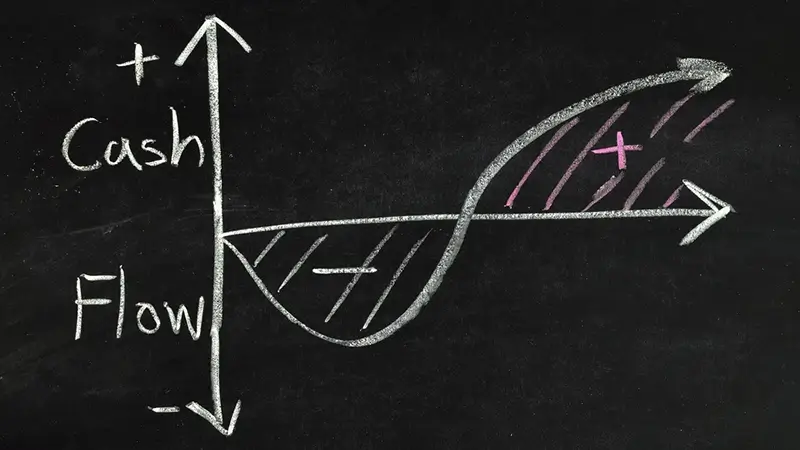
Cash Flow Management Explained: The Lifeblood of Your Business

Cash Flow Management Explained: The Lifeblood of Your Business

Cash flow management is a fundamental process that involves tracking, analyzing, and controlling the financial transactions occurring within your...

Read More