

 Argentina
 Brazil
 BVI
 Canada
 Chile
 Colombia
 Costa Rica
 Curaçao
 Guatemala
 Honduras
 Mexico
 Nicaragua
 Panama
 Peru
 Uruguay
 USA
 Germany
 Luxembourg
 South Africa
 Spain
 Switzerland
 The Netherlands
 United Kingdom
 Hong Kong
 India
 New Zealand
 Singapore
 Turkey
 H&CO
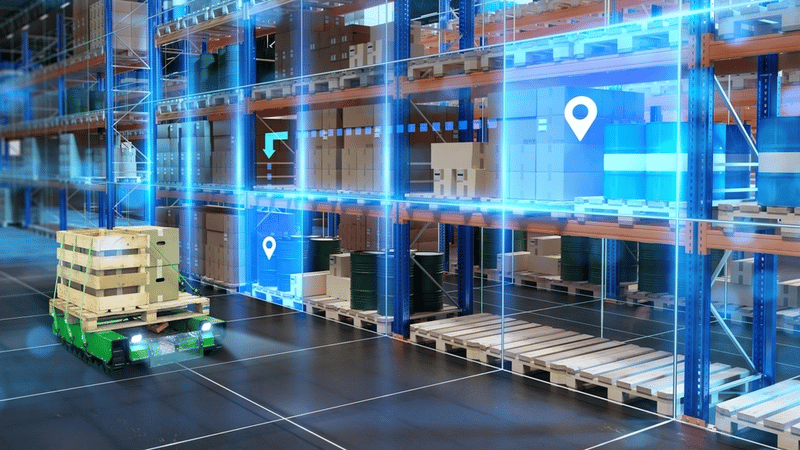
BTO in logistics is the application of Business Transformation Outsourcing to the back office to integrate TMS, WMS, and ERP systems, while automating critical logistics operations processes. For logistics professionals and managers seeking to reduce costs, eliminate rework, and gain greater control over operational and financial routines, this is a direct response to a scenario in which the lack of synchronization between operations and finance erodes margins and limits productivity.
Efficiency in the logistics sector is often measured by fleet punctuality and warehouse accuracy. However, the true profitability of the operation is decided behind the scenes: in the back office.
Given the dependence on highly specialized systems, the large volume of tax documents, and the significant operating costs associated with fleet management, the lack of integration between TMS, WMS, and ERP systems can generate financial losses, operational bottlenecks, and limited business visibility.
This is exactly where Business Transformation Outsourcing (BTO) comes into play. By integrating TMS, WMS, and ERP, BTO automates critical processes related to billing, controllership, accounting, tax management, and fleet cost control. Throughout this article, you will learn how this transformation improves operational and financial management, provides greater protection against back-office errors and inconsistencies, and transforms this area from a reactive cost center into a high-performance strategic advantage.
What Are the Biggest Challenges in Logistics and Commerce?
The complexity of the supply chain creates daily challenges that place significant pressure on operational and finance teams:
-
Disconnection Between Systems (TMS vs. WMS vs. ERP): Operations rely on the continuous flow of data between the WMS (warehouse management: receiving, storage, movement, picking, and shipping) and the TMS (transportation management: pickups, transfers, deliveries, freight, and route planning). When these systems do not communicate seamlessly with the ERP (Enterprise Resource Planning) system, the result is financial inconsistencies and inventory errors. This compromises back-office organization and reduces the company's ability to operate strategically.
-
Tax Complexity and Bottlenecks: Transportation operations require the issuance, validation, and management of a large volume of documents such as CT-e and MDF-e, in addition to maintaining the required records and handling CT-e events and substitutions. Companies must also manage the complex task of consolidating multiple CT-es into a single invoice while preserving the identification and value of each tax document.
-
Demanding Fleet Cost Management: Fuel and fleet maintenance, especially tire lifecycle management, which involves high wear rates and a high risk of losses, represent a significant portion of operating expenses. Without centralized data, identifying budget leaks becomes nearly impossible.
-
Operational Rework: Manual reconciliation processes and repetitive data entry consume valuable employee time and create bottlenecks in billing and accounting close activities.
Why Choose BTO?
Unlike a traditional BPO engagement focused solely on executing operational tasks, BTO (Business Transformation Outsourcing) transforms process architecture. It combines advanced technology, governance, and specialized expertise to optimize your company's entire data chain through a strategy driven by logistics intelligence and enhanced decision-making efficiency.
BTO integrates TMS and WMS with the ERP, automates recurring billing, finance, accounting, and tax processes, and reduces rework. This solution connects multiple software applications and consolidates information into a business management system focused on enterprise management, with real-time data analytics, artificial intelligence (AI) support, improved inventory control, greater product visibility, and comprehensive reporting capabilities.
The integration reduces bottlenecks in CT-e and MDF-e management and in consolidating transportation charges into invoices, while dashboards provide visibility into fleet costs, freight expenses, and warehousing operations. By applying industry best practices, the organization can remain focused on logistics excellence and business growth, generating better results for both operations and customers.
How H&CO's BTO Solution Works
H&CO's BTO goes beyond traditional consulting. We design, implement, and continuously manage this integration, leveraging the technical expertise of our Software Factory.
The approach begins by defining the direction of the transformation through impact analysis, selecting the most suitable system, and implementing it in a way that supports operational continuity.
We create customized automations and integrations so operational data reaches the ERP with consistency and traceability, reducing communication failures between transportation, warehousing, and controllership teams.
This solution is built on a well-coordinated process, including initial training, ongoing training programs, and a strong focus on the experience of every customer. For companies seeking scalability, this approach helps integrate departments, strengthen operations, and provide clearer visibility into inventory management.
At the same time, BTO can increase the complexity of logistics planning and require supply chain restructuring, including synchronization between sales, suppliers, and production operations. Without reliable partners, the model may also extend delivery times compared to traditional just-in-time processes.
Transform Your Logistics Back Office with Logistics Intelligence as a Competitive Advantage
Your operation does not need to be constrained by integration failures or slow tax processes. Discover how the intelligence behind BTO can increase your company's profitability.
Talk to H&CO's specialists.