


 Argentina
 Brazil
 BVI
BVI Canada
 Chile
Chile Colombia
 Costa Rica
 Curaçao
 Guatemala
 Honduras
 Mexico
 Nicaragua
 Panama
 Peru
Peru Uruguay
 USA
USA Germany
 Luxembourg
 South Africa
 Spain
Spain Switzerland
 The Netherlands
 United Kingdom
 Hong Kong
 India
India New Zealand
 Singapore
 Turkey
 H&CO
H&CO
.webp?width=201&height=506&name=imagenes%20doing%20business-chile-37%20(1).webp)
Doing Business in Nicaragua
 H&CO : Jun 10, 2026, 4:25:16 PM
Are you looking to expand your business operations into Central America? As a highly competitive and emerging market in the region, Nicaragua offers...
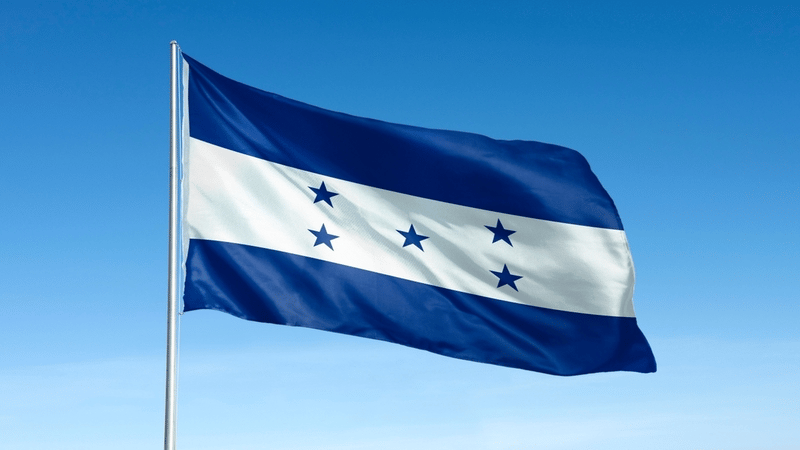
Honduras stands out as a high-potential investment destination within Central America. Driven by nearshoring trends, robust preferential trade agreements like CAFTA-DR, and competitive operating costs, the country provides significant structural advantages for global businesses seeking expansion. This guide breaks down the core political, economic, regulatory, and fiscal components vital for foreign corporations entering Honduras.
The investment landscape in Honduras is characterized by niche opportunities across traditional and fast-growing modern sectors:
|
|
Nearshoring, Logistics, and InfrastructureHonduras' geographic proximity to the United States provides an elite edge for supply chain optimization. The country hosts Puerto Cortés, the most modern deep-water port in Central America, capable of processing high-volume container cargo with rapid customs dispatch. This makes the country a premier choice for nearshoring manufacturing operations looking to reduce transit times significantly compared to Asian hubs. Manufacturing and MaquiladorasThe Honduran industrial sector is highly competitive, particularly in apparel, technical textiles, and automotive wire harnesses. The country operates mature industrial clusters that benefit from specialized local expertise and efficient logistics pipelines, allowing multinational brands to establish highly cost-effective assembly networks. Agribusiness and AquacultureBenefiting from rich natural microclimates and fertile land, Honduras is an international export leader in specialty coffee, bananas, premium shrimp, tilapia, and sustainably sourced palm oil. Modern agro-industrial companies find immense potential in integrating advanced food processing technology to add value to primary commodities for export markets. |
With an urban, bilingual, and digitally literate youth population, cities like San Pedro Sula and Tegucigalpa have emerged as thriving hubs for Business Process Outsourcing (BPO) and call centers. This sector is heavily backed by advanced telecommunications infrastructure and specific regulatory promotional benefits. Investors looking for operational cost reductions find that Honduras combines highly competitive labor rates with a legal guarantee of free currency conversion and equal treatment under local investment protection laws.
.webp?width=202&height=509&name=imagenes%20doing%20business-chile-36%20(1).webp)
Population: Approximately 10.8 million inhabitants with an urbanization rate of nearly 60%.
Official language: Spanish
Currency: Honduran Lempira (HNL)
Political system: It is a unitary democratic presidential republic. The president serves as head of state and government for a four-year term. The unicameral National Congress, composed of 128 deputies, exercises legislative power. The judiciary, presided over by the Supreme Court of Justice, is independent.
Economic System: Honduras operates an open, mixed market economy, characterized by a heavy focus on international trade and foreign direct investment (FDI). The country combines private enterprise with strategic export-driven clusters, agribusiness, and industrial free zones.
Honduras is a democratic constitutional republic governed by a multi-party system with three independent branches: Executive, Legislative, and Judicial. The President serves as both head of state and head of government, leading executive policy. Legislative authority is vested in the unicameral National Congress, which regularly enacts corporate, financial, and regulatory frameworks impacting international business operations.
On the economic front, Honduras operates an open, mixed-market economy heavily focused on international trade and foreign direct investment (FDI). Over recent years, the Central Bank of Honduras (BCH) and the government have maintained macro-stabilization efforts. Real GDP growth has stabilized between 3.6% and 4.0%, outperforming several regional neighbors. The economic environment is anchored by its close commercial ties with the United States and the European Union, formalizing trade transparency and intellectual property protections through stable international treaties.
Honduras maintains an accommodating legal system for international enterprises, backed by straightforward corporate regulations and open-market policies. Global businesses can seamlessly incorporate through the local Commercial Registry, utilizing widely accepted corporate structures such as the Stock Corporation (Sociedad Anónima - S.A.) or the Limited Liability Company (Sociedad de Responsabilidad Limitada - S. de R.L.). National legislation explicitly mandates non-discrimination, ensuring that foreign firms receive identical legal treatment to domestic companies. Furthermore, specialized promotional frameworks like the Free Trade Zone Law (ZOLI) safeguard the right to unrestricted currency conversion while cementing equal operational rights for global entities expanding into the market.
For standard entities operating outside of special free zones, corporate tax compliance is managed by the Revenue Administration Service (SAR). Honduras levies corporate taxes primarily based on a territorial principle, although a transition to a worldwide system is actively under legislative discussion.
| Tax Category | Standard Rate | Key Conditions & Details |
| Corporate Income Tax (CIT) | 25% |
Levied on net taxable income derived from Honduran sources. |
| Solidarity Contribution | 5% |
A non-deductible surtax applied only to net taxable income exceeding HNL 1,000,000. |
| Capital Gains Tax | 10% |
Flat rate applicable to gains from the sale of assets or company shares. |
| Dividend Withholding Tax | 10% |
Withheld at source upon distribution to residents or non-resident entities. |
| Sales Tax / VAT | 15% / 18% |
General rate is 15%. 18% applies strictly to luxury items, alcohol, tobacco, and business-class airfares. |
| Alternative Minimum Tax | 1% |
Applies to gross revenues exceeding HNL 1 billion under specific loss or low-margin positions. |
Corporate entities operating locally are subject to municipal taxes governed by each municipality's specific Plan de Arbitrios. This includes the Industry, Commerce, and Services Tax, which applies a progressive scale based on the gross annual sales volume of the company within that municipal jurisdiction.
Entities approved to operate under the Free Trade Zone Law (ZOLI) or Export Processing Zone (ZIP) models enjoy unmatched fiscal flexibility, primarily targeting export-driven manufacturing, logistics, and international services. Key advantages include:
.webp?width=193&height=486&name=imagenes%20doing%20business-chile-35%20(1).webp)
Economic Landscape & Nearshoring: Honduras features an open, stable market economy with a steady 3.6% to 4.0% real GDP growth. Backed by robust trade agreements like CAFTA-DR, it guarantees international investors equal legal treatment, free currency conversion, and strategic geographic proximity for North American nearshoring.
Key Industrial & Service Sectors: Prime opportunities are driven by advanced logistics via Puerto Cortés (Central America's most modern deep-water port), established manufacturing clusters in textiles and automotive components, and expanding urban BPO hubs fueled by a young, bilingual workforce.Agribusiness &
Tax Incentives: The nation leverages fertile land to lead exports in specialty coffee, seafood, and palm oil. While the pending Tax Justice Bill intends to transition traditional tax-free frameworks (ZOLI/ZIP) into modernized incentive models, grandfathering clauses ensure that current operations fully preserve their fiscal rights.
Honduran business culture places a high premium on personal relationships, mutual trust (confianza), and face-to-face interactions. Initial meetings are typically introductory, focusing on establishing personal rapport through general conversation before shifting to commercial matters. While foreign executives are strictly expected to arrive on time as a sign of professionalism and respect, local schedules can occasionally be flexible due to regional transit or administrative protocols.
Corporate structures in Honduras are distinctly hierarchical, with decision-making authority concentrated heavily at the executive, board, or family-ownership level. There is deep structural respect for authority, organizational seniority, and formal professional titles such as Licenciado (Business/Law), Ingeniero (Engineering), or Doctor. Senior leaders guide discussions, and their explicit approval is essential for final contract execution.
Communication is generally polite, diplomatic, and indirect, as professionals often soften their phrasing to avoid direct confrontation or causing public disagreement. Formal address using Usted is standard practice until a close professional relationship is solidified. While business discussions remain structured, a warm, hospitable demeanor and appropriate humor are highly appreciated. A polychronic work style is common, meaning local professionals regularly manage multiple administrative tasks simultaneously.
Unlike monocentric economies, Honduras features two distinct commercial hubs:
Ideal for high-level corporate lunches or dinner meetings with private settings and exceptional service, the following establishments are highly notable: Hacienda Real (with prime corporate locations in both Tegucigalpa and San Pedro Sula, famous for premium steaks and business atmospheres), Meza 23 (located inside the exclusive Club Hondureño Árabe in San Pedro Sula), and Rojo, Verde y Ajo (Tegucigalpa), renowned for its sophisticated international cuisine and efficient service tailored to professional travelers.
In Tegucigalpa, the commercial and corporate sectors around Colonia Palmira, Avenida La Paz, and Lomas del Guijarro host the vast majority of foreign diplomatic missions, including the embassies of the United States, Spain, Mexico, and Germany, among others. These safe, well-developed districts combine top-tier security infrastructure with direct access to the capital's premier financial institutions and corporate offices.

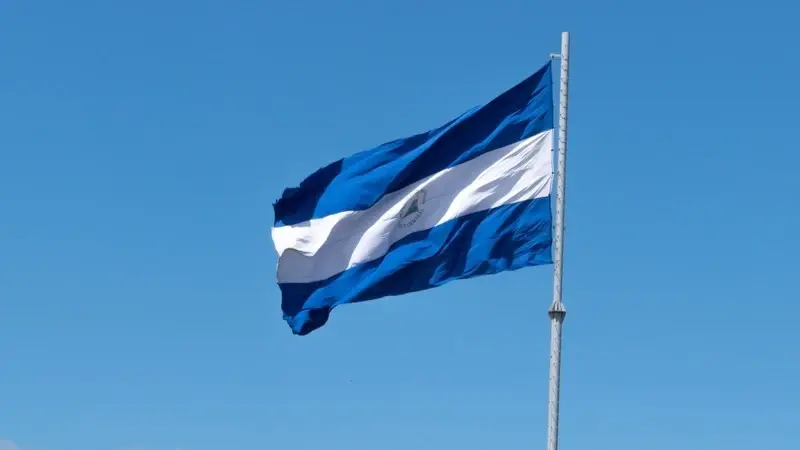
H&CO : Jun 10, 2026, 4:25:16 PM
Are you looking to expand your business operations into Central America? As a highly competitive and emerging market in the region, Nicaragua offers...

H&CO : Jun 3, 2026, 3:50:16 PM
Canada consistently ranks as one of the most stable, secure, and competitive economies for foreign investment globally. As a prominent member of both...
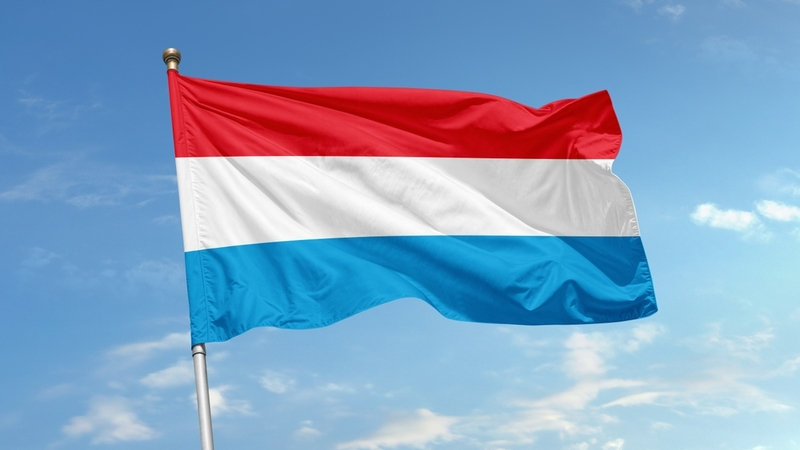
1 min read
H&CO : Jun 23, 2026, 12:59:48 PM
Doing business in Luxembourg offers international corporate entities an unparalleled gateway to the broader European market, backed by a resilient...